
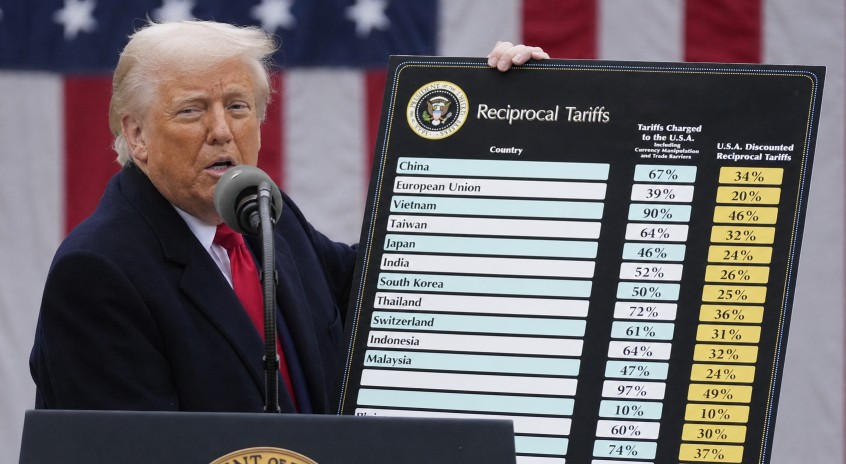
US President Donald Trump has introduced a fresh set of tariffs on imports from over 80 countries, replacing the recently expired global tariff of 10%. This decision signifies a significant move in the administration’s ongoing trade strategy, even as legal debates continue. The new tariffs, which range from 10% to 12.5%, will affect countries such as the United Kingdom, European Union nations, Canada, Mexico, Australia, India, and China.
These measures are being implemented under Section 301 of the US Trade Act of 1974. The administration justifies the tariffs as a necessary step to combat forced labor in international supply chains. US Trade Representative Jamieson Greer emphasized that the US anticipates that its trade partners will enhance their constraints on imports associated with forced labor practices. The administration’s announcement follows a US Supreme Court decision earlier this year that cast doubt on the legality of previous tariffs enacted under emergency powers, prompting a search for a new legal basis.
The imposition of these tariffs has sparked criticism from several US allies. Australia and Brazil have labeled the tariffs as unjustified and are seeking their removal. Meanwhile, the European Union has requested further clarification from Washington, with EU officials expressing their surprise at the action. Canada, asserting its own robust measures against forced-labor imports, argued against being targeted and advocated for a cooperative, multilateral approach.
Trade experts have raised concerns about whether President Trump has the constitutional authority to enact such broad tariff measures without congressional approval. Some legal analysts anticipate that the new tariffs might face additional challenges in court. Within the US, Trump’s tariff policies continue to be a source of political division. Recent surveys suggest that a significant number of Americans attribute higher consumer prices to these tariffs, even though the administration contends that its trade policies have bolstered the US economy and protected domestic industries.
As governments evaluate the economic implications and consider potential reactions, the newly announced tariffs add to the uncertainty surrounding global trade. The international community remains attentive to the unfolding situation and its potential impact on economic relations and trade practices worldwide.