
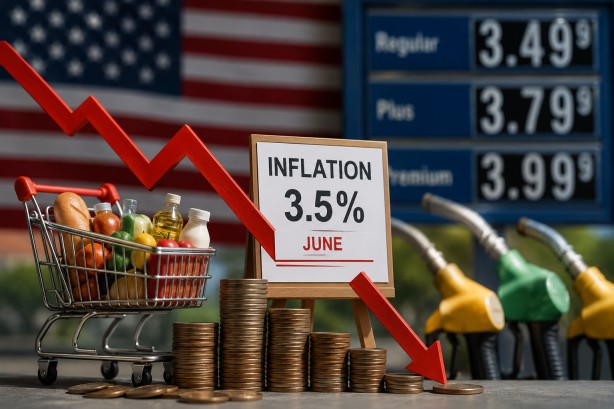
In June, the United States saw a slowdown in annual inflation, which dipped to 3.5%, largely due to a temporary decrease in energy costs that helped lower the overall expenses for consumers. This development is reflected in the latest figures from the Consumer Price Index (CPI), which showed a 0.8% drop in prices from May. The primary factor driving this decrease was a fall in gasoline and fuel prices, which managed to counterbalance rising costs in sectors like food, housing, and utilities.
Core inflation, a measure that omits the more volatile food and energy prices and is closely observed by the Federal Reserve, slightly decreased to 2.6% year-over-year. Despite the current relief in inflation rates, this trend may not last long. Renewed geopolitical tensions in the Middle East have already started to drive global oil prices up, which in turn is causing an increase in fuel costs for consumers and raising operational expenses for industries such as aviation and transportation.
The Federal Reserve is gearing up to evaluate this latest inflation data in conjunction with labor market conditions during its policy meeting scheduled for later this month. Although there has been a moderation in inflation, it still hovers above the central bank’s long-term target of 2%, which leaves ongoing uncertainty about when the Fed might decide to adjust interest rates next.
While the temporary decline in energy costs has provided some respite from rising consumer prices, the potential for renewed inflationary pressures remains. The situation underscores the delicate balance the Federal Reserve must maintain as it considers its monetary policy strategies moving forward. The impact of shifting oil prices will likely play a significant role in shaping the economic landscape in the coming months.