
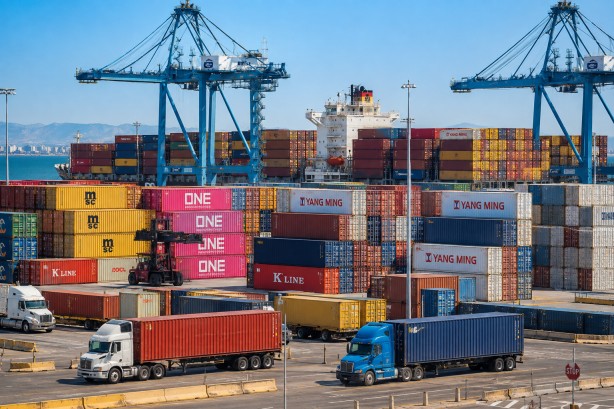
The U.S. government has issued refunds totaling approximately $100 billion for tariffs imposed during President Donald Trump’s administration under the “Liberation Day” trade policies. This move follows a Supreme Court decision that found a significant number of these tariffs to be unlawful. The refunded amount represents nearly 60% of the $165 billion collected before the court’s ruling. These tariffs, which targeted imported goods, were a cornerstone of Trump’s trade strategy, intended to stimulate domestic manufacturing, secure beneficial trade deals, and bolster government revenue.
In light of the court’s decision, the administration has been returning the collected duties to the companies that were impacted. Despite this substantial refund, the federal budget deficit in the United States has continued to grow, reaching $1.37 trillion during the first nine months of the fiscal year. This development underscores ongoing fiscal challenges facing the government, even as it navigates the legal implications of the tariff policy.
In a related move, the Trump administration recently unveiled a new series of tariffs ranging from 10% to 12.5% on imports from over 80 countries, including major trade partners such as India, China, the United Kingdom, Canada, Mexico, Australia, and members of the European Union. These tariffs are justified on the grounds of concerns about products associated with forced labor. The introduction of these new tariffs highlights the administration’s continued focus on trade issues and economic protectionism.
However, the recent tariffs have already sparked fresh legal battles. A coalition of 25 U.S. states is actively seeking to halt these measures, arguing that they serve as an unlawful replacement for tariffs previously invalidated by the Supreme Court. This legal opposition reflects ongoing tensions and challenges in the administration’s approach to trade policy, as well as the broader implications of tariff enforcement on international relations and domestic economic policy.
The situation remains dynamic, with significant attention on how these legal and economic issues will unfold. The outcome of these challenges could have substantial impacts on the administration’s trade strategies and the economic landscape of the United States, as stakeholders from various sectors await clarity on the future of U.S. tariff policies.