The United Kingdom is facing heightened fiscal challenges as government borrowing for May surpassed expectations, amid economic uncertainty related to the ongoing conflict in the Middle East. Official data reveals that public sector net borrowing surged to £23.3 billion, marking the second-highest figure ever recorded for this month. The increased borrowing is attributed to a combination of rising debt interest payments, higher public expenditure, and costs associated with inflation.
In the initial two months of the current fiscal year, the UK has accumulated £46.3 billion in borrowing, a figure that notably exceeds both the previous year’s levels and the government’s forecasts. The surge in spending on public services, investments, benefits, and debt servicing has outweighed the income generated from higher tax revenues, underlining the growing fiscal strains faced by the government.
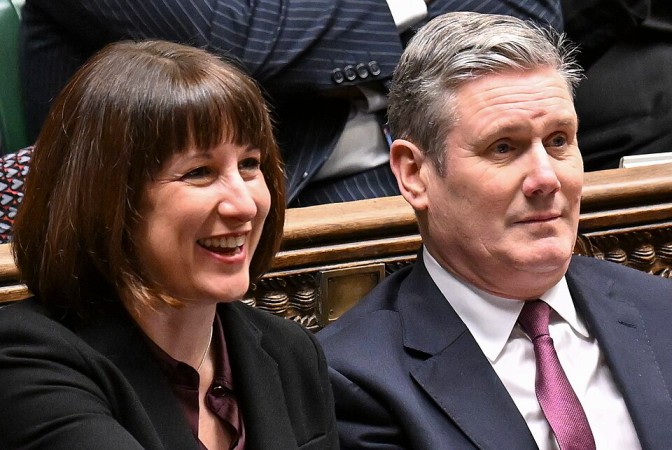
These fiscal developments occur against a backdrop of political uncertainty within the Labour Party, where Andy Burnham is emerging as a potential contender against Keir Starmer. Economists have cautioned that if political instability persists, it could further destabilize financial markets, potentially leading to increased borrowing costs for the government and compounding the pressures on the UK’s economic outlook.
Currently, the national debt has risen to over 95% of the UK’s gross domestic product, surpassing earlier forecasts. This situation poses significant challenges for policymakers, who must navigate the complex task of balancing public finances while simultaneously fostering economic growth. The higher-than-anticipated borrowing figures reflect the intricate fiscal landscape and underscore the need for strategic economic planning in the face of internal and external uncertainties.